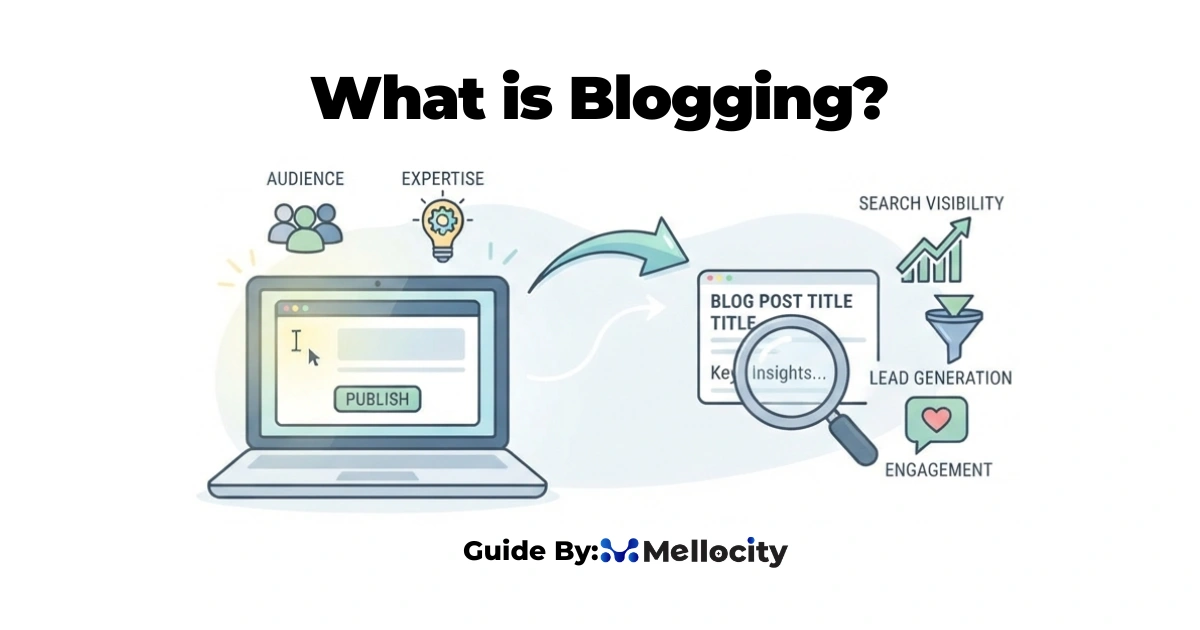
Blogging is the practice of creating and publishing regular, audience-focused content online (posts, articles, guides) to attract, engage, and convert visitors. For businesses, it’s a content-driven channel used to demonstrate expertise, improve search visibility, generate leads, and support product or service marketing.
Why this matters now
- Search and discovery: Blogs are one of the most effective ways to rank for long-tail and informational search queries.
- Business value: High-quality blog content supports SEO, nurtures prospects, and provides reusable assets across email, social, and sales efforts.
- Scalability: A consistent blog strategy creates compounding organic traffic and topical authority over time.
Core components of blogging
- Content types: informational posts, how-to guides, case studies, thought leadership, listicles, product explainers.
- Publishing cadence: regular schedule (weekly–monthly) aligned with resources and goals.
- Technical setup: fast hosting, SEO-friendly CMS (WordPress is the most common), structured URLs, mobile-first design.
- Measurement: organic traffic, keyword rankings, time on page, backlinks, conversions, and lead quality.
How blogging creates measurable business outcomes
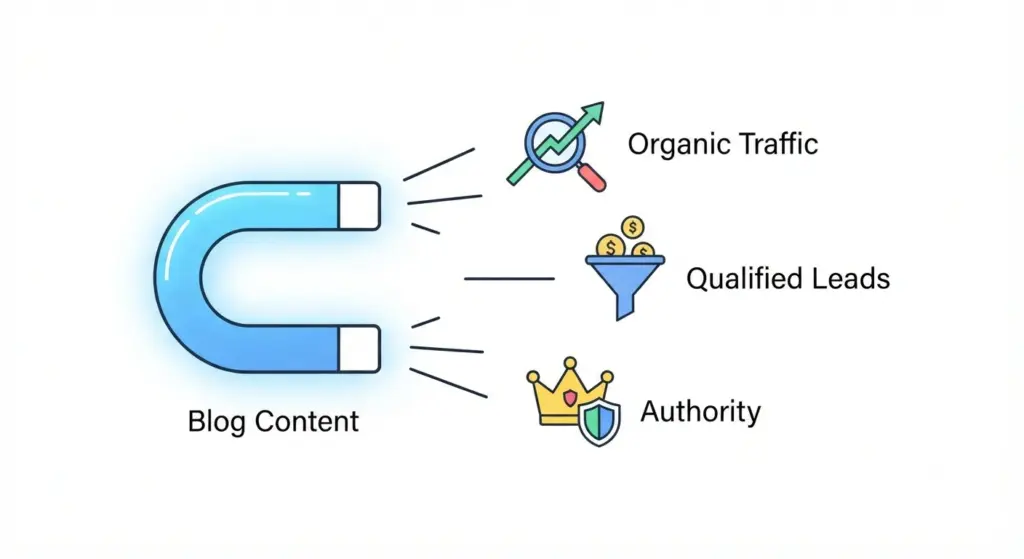
- Organic traffic: Targeted posts rank for buyer-intent and research queries, bringing relevant visitors without ad spend.
- Lead generation: Blog posts with clear offers or gated assets raise conversion rates and reduce customer acquisition cost (CAC).
- Authority & trust: Regular, technical, or industry-specific posts build credibility with prospects and partners.
- Content leverage: Reuse blog content in email sequences, product pages, social campaigns, and sales collateral.
SEO mechanics behind blogging
- Keyword targeting: map posts to user intent (informational → awareness, transactional → conversion).
- On-page SEO: title tags, meta descriptions, H1/H2 hierarchy, optimized images, internal linking to pillar pages.
- Technical SEO: XML sitemaps, schema, canonical tags, fast Core Web Vitals, and mobile responsiveness.
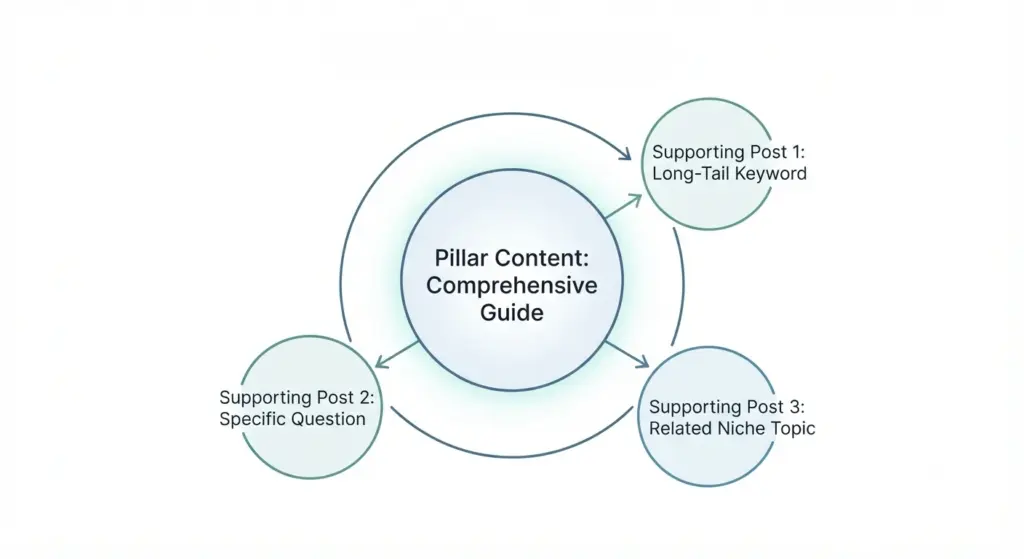
- Topical clustering: group related posts into clusters around pillar pages to signal authority to search engines.
Practical workflow for a business-focused blog
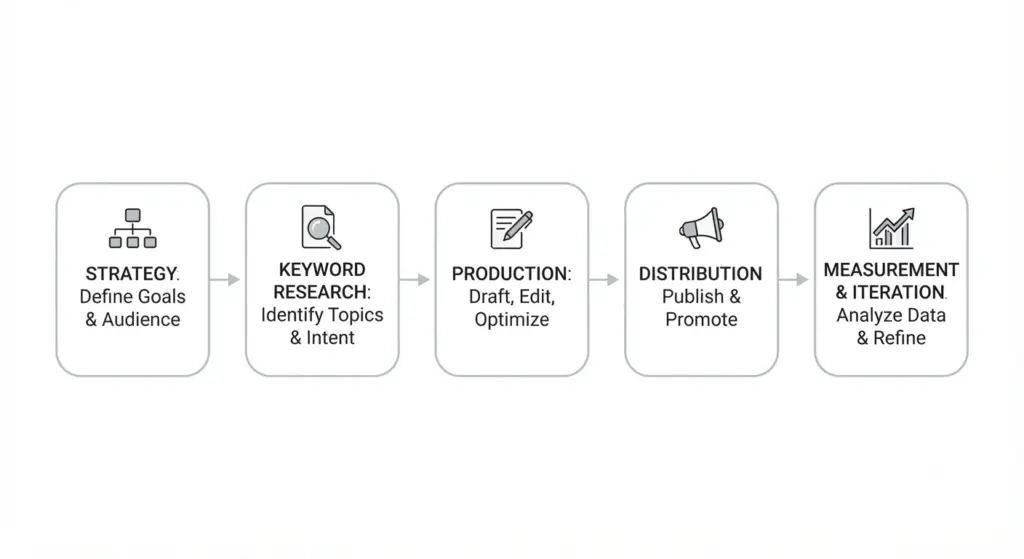
- Strategy: define target audiences (e.g., CTOs, small business owners), priority topics, and KPIs (traffic, leads, SQLs).
- Keyword research: identify high-impact informational and long-tail queries tied to your services.
- Editorial planning: create quarterly content calendar, assign owners, and set publishing frequency.
- Production: brief, draft, edit, optimize for SEO, add visuals, and include CTAs.
- Distribution: share via email, LinkedIn, product pages, and syndication channels.
- Measurement & iteration: review analytics monthly, test headlines/meta, update high-value posts quarterly.
Technical considerations for WordPress
- Use a performant theme and a caching plugin; measure with Lighthouse.
- Install SEO plugins for meta and schema (example: configure schema for articles and FAQ).
- Implement structured data for posts and FAQs to improve SERP appearance.
- Use a staging site for content templates and A/B testing.
- Standardize URL structure: /blog/topic-slug/ and avoid query parameters for canonical content.
Content types that convert best for B2B and service agencies
- Case studies: show specific outcomes (insert agency metric or client example here).
- How-to guides and tutorials: demonstrate capability and provide immediate value.
- Comparative/product guides: help mid-funnel buyers compare solutions.
- Thought leadership and industry analysis: support C-suite trust and PR opportunities.
Measuring success: KPIs to track
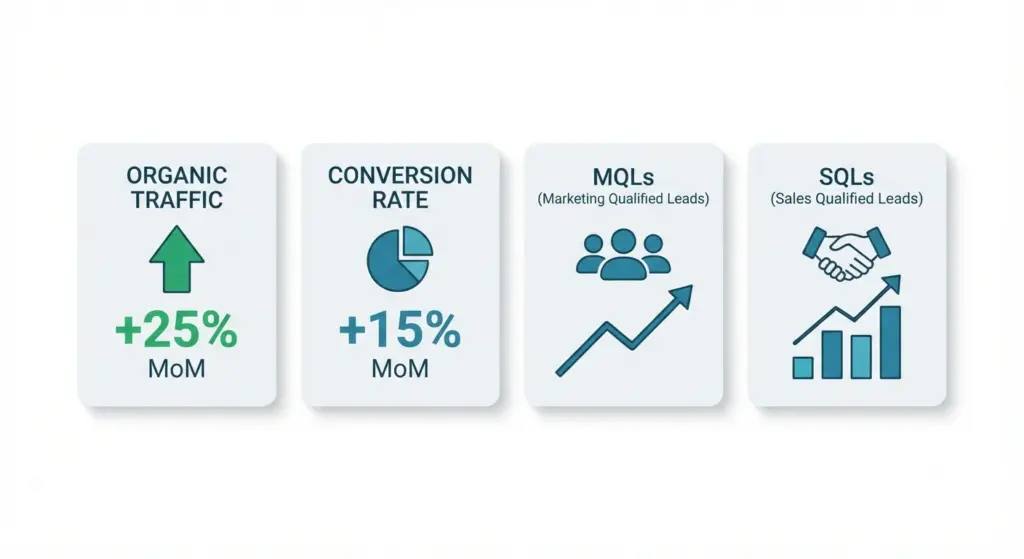
- Organic sessions from blog posts.
- Keyword rankings for target terms.
- Backlinks and referring domains to key posts.
- Lead volume and quality (MQLs/SQLs) sourced from blog traffic.
- Engagement metrics: time on page, scroll depth, bounce rate. Note: When referencing a statistic or case study, replace the placeholder with your agency’s campaign metric (e.g., “a single pillar post produced X leads and Y% lower CPC”).
Content governance and scale
- Define roles: strategist, writer, editor, SEO specialist, developer.
- Content standards: tone, structure, formatting, and accessibility checklist.
- Update cadence: refresh cornerstone content every 3–12 months based on performance.
- Outsource vs. in-house: use in-house for proprietary content; outsource routine posts for scale.
Best practices and common pitfalls
- Best practices: write for intent, optimize for speed, use clear CTAs, add schema, and track outcomes.
- Pitfalls to avoid: inconsistent publishing, thin content, poor internal linking, ignoring technical SEO, and not measuring ROI.
Related terms and LSI keywords (use naturally)
- content marketing, blogging for business, blog SEO, editorial calendar, pillar content, long-tail keywords, WordPress blogging, blog monetization, inbound marketing.
FAQ :
What is blogging and how does it help my business?
Blogging is publishing regular content targeted to your audience to attract organic traffic, build authority, and generate leads. For businesses, it supports SEO, educates buyers, and shortens sales cycles.
How often should my company publish blog posts?
There’s no one-size-fits-all cadence. Start with a realistic schedule (e.g., 1 high-quality post per week or 4 per month), measure impact, and scale based on resources and ROI.
What platform is best for blogging?
WordPress is the most common choice for business blogs due to flexibility, SEO plugins, and ecosystem support. Choose a platform that allows easy SEO, media handling, and developer access.
How long should blog posts be?
Aim for depth that satisfies user intent. Informational posts often perform well at 800–1,500 words; pillar guides may be 2,000+ words. Prioritize usefulness and structure over word count.
How do I measure if blogging is working?
Track organic traffic, keyword rankings, leads originating from blog posts, conversion rates, and engagement (time on page, bounce). Tie blog-sourced leads to revenue where possible to calculate ROI.
Key takeaways
- Blogging is a strategic channel that drives organic discovery, builds authority, and generates leads when done with an SEO and measurement-first approach.
- WordPress + technical SEO + consistent editorial processes yields the best balance of control and scale for service agencies.
- Measure everything and iterate: top-performing posts should be updated, promoted, and reused.